What is Lokpal Lake and Why is it Sacred?
Lokpal Lake (also known as Hemkund Lake) is one of the most spiritually significant alpine lakes in the Indian Himalayas, situated at an altitude of 4,329 metres in the Chamoli district of Uttarakhand. The lake lies right beside the revered Gurudwara Hemkund Sahib — one of the highest Sikh shrines in the world — and is surrounded by seven majestic snow-capped peaks whose reflections shimmer on its crystal-clear glacial waters. The name "Hemkund" means Snow Bowl in Sanskrit — a fitting description for this lake cradled in a bowl of permanent glaciers and high-altitude ridges.
Unlike most Himalayan lakes visited purely for scenic beauty, Lokpal Lake holds profound religious importance for both Sikhs and Hindus. It is fed entirely by glacial meltwater from the surrounding peaks and maintains an icy clarity year-round. The reflection of the seven surrounding summits on calm mornings is breathtaking — a view that pilgrim and photographer alike find deeply moving. The lake is only accessible during the yatra season (June to October) and freezes completely through the winter months.
Lokpal Lake Highlights
Sacred Significance — Sikh and Hindu Traditions at Lokpal Lake
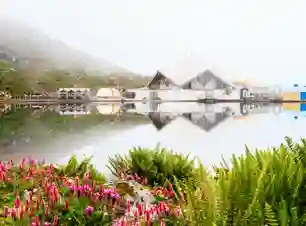
Lokpal Lake is extraordinary because it holds deep sacred meaning for two of India's major religious traditions simultaneously, something rare even among Himalayan pilgrimage sites. The lake, the Gurudwara, and the Laxman Temple together form one of the most spiritually layered sites in the Garhwal Himalayas.
Sikh Significance
According to the Guru's autobiography Bachittar Natak, Guru Gobind Singh Ji (the tenth Sikh Guru) meditated at this lake in a previous life and performed intense penance (tapasya) here. The lake is therefore among the most sacred sites in Sikhism. Hundreds of thousands of Sikh pilgrims undertake the arduous yatra to Hemkund Sahib every season as an act of deep devotion.
Hindu Significance
Hindu tradition holds that Laxman, the devoted brother of Lord Rama, performed penance at this lake to regain consciousness after being struck by Meghnad's (Ravana's son's) deadly arrow during the Lanka battle. A small Laxman Temple stands on the eastern shore of the lake, attracting Hindu pilgrims alongside the Sikh Gurudwara. This dual sacred heritage is unique in the Himalayas.
Trek from Ghangaria to Lokpal Lake (Hemkund Sahib)
The trek to Lokpal Lake begins at Ghangaria (3,048m), the base camp village 13km from Govindghat. From Ghangaria, the 6km trail climbs 1,281 metres in altitude to reach the lake at 4,329m. This is a steep and demanding trek — allow 3 to 4 hours for ascent and 2 to 2.5 hours for descent. Pony and palki (doli) services are available for those who need them.
Begin the trek from Ghangaria by 5–6 AM for a comfortable ascent and darshan before the midday crowds. The Gurudwara at Ghangaria provides free langar (meals) — have breakfast before starting. Pony bookings should be arranged the previous evening.
The trail gains altitude rapidly through alpine scrub and rocky terrain. There are rest points with tea stalls en route. The path has been improved with stone steps in many sections but remains steep. Keep a steady pace and take short rest breaks. Stay hydrated — altitude affects energy levels quickly above 3,500m.
The lake and Gurudwara appear dramatically as you crest the final ridge. The star-shaped lake with its glacier-fed waters and the seven surrounding peaks is an overwhelming sight. Pilgrims take a holy dip (snan) in the icy waters — considered deeply auspicious. The Gurudwara provides hot langar to all pilgrims.
Best Time to Visit Lokpal Lake (Hemkund Sahib)
Lokpal Lake is accessible only during the yatra season, June to October. The Gurudwara opening date each year is announced by the Shri Hemkund Sahib Management Trust:
Just after the Gurudwara opens — fresh snow on the trail edges, fewer crowds, clear skies. The lake is at its most pristine. Valley of Flowers also opens simultaneously. Temperatures are cold (0–5°C at the lake) — carry warm layers.
Peak pilgrimage season — Baisakhi and Guru Gobind Singh Jayanti draw hundreds of thousands of pilgrims. Valley of Flowers is in full bloom simultaneously. Expect large crowds on the trail. The Gurudwara is very busy — meaningful atmosphere but long queues for darshan.
Post-monsoon clarity — the skies are washed clean and the lake reflection is at its best. Fewer crowds than July–August. The seven peaks are crisp and snowbound. September is widely considered the best month for photography at the lake.
The Gurudwara closes around mid-October after Diwali. Heavy snowfall covers the entire trail and Lokpal Lake freezes solid. The Govindghat road may also be blocked by snow. The lake is completely inaccessible from November to late May every year.
How to Reach Lokpal Lake (Hemkund Sahib)
The journey to Lokpal Lake involves reaching Govindghat by road, then trekking 13km to Ghangaria base camp, and finally the 6km trek to the lake. Helicopter from Govindghat to Ghangaria is available to skip the 13km lower trek.
Rishikesh → Devprayag → Rudraprayag → Chamoli → Joshimath → Govindghat. A 2-day journey is recommended: overnight at Joshimath or Govindghat, trek to Ghangaria Day 2, reach Hemkund Day 3. Tour Venture India arranges cabs from Rishikesh/Haridwar.
Helicopter service operates from Govindghat helipad to Ghangaria in season (June–October). The 7-minute flight saves the 13km uphill trek. Booking is done at Govindghat helipad or through Tour Venture India. This is ideal for senior pilgrims, families with young children, or those with limited time.
Nearest railway: Rishikesh (270km from Govindghat) and Haridwar (290km). Multiple trains from Delhi daily. From the station, hire a cab to Govindghat (8–9 hours). GMOU buses also run to Govindghat via Joshimath during yatra season.
Nearest airport is Jolly Grant, Dehradun, with flights from Delhi, Mumbai, Bengaluru. Hire a cab from the airport to Govindghat — approximately 9 hours via Rishikesh and Joshimath.
Essential Tips for Visiting Lokpal Lake
- Acclimatise at Ghangaria before the lake trek — Ghangaria is at 3,048m and the lake is at 4,329m. Spending one night at Ghangaria before attempting the lake trek significantly reduces altitude sickness risk. Do not rush the ascent.
- Start the trek by 5–6 AM — the trail from Ghangaria to Hemkund Sahib gets very crowded by 9–10 AM in peak season (July–August). An early start gives you peace, clearer views, and avoids the midday rush on the descent.
- Dress in warm layers — the lake sits at 4,329m and temperatures are 2–8°C even in July. Wind at the lake can make it feel much colder. Carry a warm jacket, gloves, and a cap regardless of the season.
- Register for the yatra — Hemkund Sahib Yatra registration is mandatory. Register at the Shri Hemkund Sahib Management Trust counter at Govindghat or online before departure. Carry your registration slip throughout.
- Carry water, snacks, and medicines — there are limited shops between Ghangaria and the lake. Carry adequate water (at least 1 litre), energy bars, and any personal medications. Diamox (altitude sickness tablets) should be carried if you are susceptible.
- Pony and palki (doli) services — available from Ghangaria for those who cannot trek. Book the previous evening. Pony is faster; palki is more comfortable for elderly pilgrims. Both are managed by the Gurudwara management.
- Photography at the lake — the reflection of the seven peaks on the still lake surface is best captured in the early morning (6–8 AM) on calm days. Post-monsoon (September) gives the clearest skies and the best photographic conditions.