What is Dhikala Zone and Why is it Famous?
Dhikala Zone is the largest and most celebrated core zone of Jim Corbett National Park, sprawling over 200 sq km in the Patli Dun valley along the banks of the Ramganga reservoir. Named after the iconic Dhikala Forest Rest House, this zone is widely regarded as the crown jewel of Indian wildlife tourism — offering the single highest probability of Bengal tiger sightings anywhere in the country. The zone was at the heart of Project Tiger when Corbett became India's first tiger reserve in 1973.
Beyond tigers, Dhikala is home to one of the largest concentrations of Asian elephants in Uttarakhand. The grasslands along the Ramganga attract large herds — sometimes 50 or more elephants — especially at dawn. Leopards, sloth bears, gharials, mugger crocodiles, wild boar and over 580 bird species (including the Great Hornbill, Pied Kingfisher and various eagles) make Dhikala one of India's most biodiverse landscapes. The backdrop of the Himalayan foothills reflected in the Ramganga adds a visual grandeur that no other national park in the plains can match.
Dhikala is accessible only through Dhangadi Gate (24km from Ramnagar), and entry requires a booked safari permit. Day visitors must enter before 6 AM and exit by 11 AM (morning shift) or enter by 2 PM and exit by 6 PM (afternoon shift). For the full experience, an overnight stay at Dhikala FRH is unmatched — guests get to witness the zone at dusk and dawn, when wildlife activity is at its peak.
Dhikala Zone Highlights
Tiger Sighting at Dhikala — What to Know
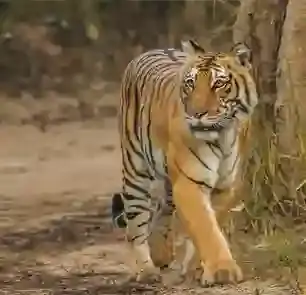
Dhikala consistently records the highest number of tiger sightings per safari in Jim Corbett. The vast sal forest, open grasslands and the Ramganga river banks create ideal conditions for spotting tigers in the open — far more reliably than most other Indian reserves. However, sightings are never guaranteed and depend on season, time of day and luck.
Best Conditions for Tiger Sightings
Tigers are most active around dawn and dusk when temperatures are cooler. Morning safaris entering at first light have the best chance. The Ramganga waterhole and Dhikala chaur (open grassland) are the hotspots — ask your guide to check these areas first.
The dry summer months force tigers and elephants to water sources along the Ramganga. Grass is short and visibility is excellent. This is the single best window for tiger and elephant sightings in Dhikala. Advance booking of FRH and jeep safaris is essential — spots fill months ahead.
Day visitors get one 5-hour safari slot. Overnight guests get three — evening, early morning and one more. This dramatically increases sighting probability. The FRH campus at night — with tiger calls, owl hoots and occasional roars — is itself an unforgettable wildlife experience.
Safari Guide — How to Book Dhikala Zone
Dhikala Zone is a restricted core zone — only a limited number of vehicles are permitted per day. All safaris must be booked in advance through the official Jim Corbett online portal. Tour Venture India can assist with the full booking process.
Private jeep safaris give the best wildlife experience — flexible route, quiet vehicle, personalised guide attention. Jeeps enter via Dhangadi Gate. Permits must be booked well in advance, especially for February–April. Cost approximately ₹5,500–₹7,000 per jeep including guide and permit.
Government-operated canter buses run fixed routes through Dhikala Zone. More affordable but less flexible than a jeep. Good for solo travellers and budget-conscious visitors. Canter permits are available through the Jim Corbett booking portal and at the Ramnagar reception office.
The iconic FRH has rooms and dormitories managed by the Uttarakhand Forest Department. It is one of India's most sought-after wildlife stays — book 3–6 months in advance for the February–April peak. FRH guests get exclusive access to the zone at dusk and dawn. Bookings: corbettonline.uk.gov.in
Morning shift: 6:00 AM – 11:00 AM. Afternoon shift: 2:00 PM – 6:00 PM. Entry gate is Dhangadi, 24km from Ramnagar. Vehicles must reach the gate 30 minutes before shift start. The zone is closed on every Tuesday afternoon and all day Wednesday (as of 2026).
Best Time to Visit Dhikala Zone
Dhikala Zone is open from mid-November to mid-June. Each season offers a different wildlife experience:
Peak tiger season. Dry weather, short grass, excellent visibility. Tigers and elephants gather near water. Advance booking is essential — FRH fills months ahead. Temperatures 15–32°C.
Zone reopens mid-November. Cool and pleasant weather (5–20°C). Migratory birds arrive in large numbers. Tiger sightings possible but grass is still tall post-monsoon. Fewer crowds than February–April.
Hot weather (30–42°C) but animals are forced to waterholes — good sighting opportunities. Zone closes mid-June for monsoon. A hot but rewarding time for experienced safari-goers.
Dhikala Zone is closed during monsoon (mid-June to mid-November) for forest recovery. Roads become waterlogged. The park reopens in mid-November with fresh green forest and replenished waterholes.
How to Reach Dhikala Zone
Dhikala Zone is accessed via Dhangadi Gate, 24km from Ramnagar. Ramnagar is the base town for all Jim Corbett safaris.
Delhi → NH9 → Moradabad → Ramnagar → Dhangadi Gate (24km from Ramnagar). Start by 10–11 PM the previous night to reach Dhangadi Gate by 5:30 AM for the morning safari. Tour Venture India arranges cabs from Delhi/NCR with overnight journey timing.
Haridwar/Rishikesh → Kotdwar → Ramnagar → Dhangadi Gate. An early morning start from Haridwar gets you to the gate in time for the morning safari. Tour Venture India offers pickup from Haridwar and Rishikesh.
Ramnagar has its own railway station with direct trains from Delhi (Corbett Link Express, Ranikhet Express). The station is 24km from Dhangadi Gate. Auto-rickshaws and taxis available at the station. Several trains from Delhi reach Ramnagar in the early morning — ideal for a day safari.
Nearest airport is Pantnagar (80km from Ramnagar). Flights from Delhi (30 min). Hire a cab from Pantnagar to Ramnagar — approximately 2 hours. Jolly Grant Airport, Dehradun (180km) is the alternative with more flight options.
Essential Tips for Visiting Dhikala Zone
- Book well in advance — Dhikala jeep permits and FRH rooms are extremely limited and fill up months ahead for the February–April peak season. Book the moment dates are confirmed.
- Stay overnight at Dhikala FRH — a single day safari gives one wildlife window. Staying overnight gives you three — and the early morning before other day visitors arrive is the golden hour for sightings.
- Wear muted earth colours — avoid bright whites and reds. Khaki, olive and brown help you blend in. Wildlife responds to visual cues; a camouflaged group sees more.
- Stay silent on safari — maintain absolute quiet once inside the zone. Tigers are extremely sensitive to sound. No loud talking, music or phone calls. Whisper only when necessary.
- Carry binoculars — tigers and leopards are often spotted in the tree line or distant grasslands first. A good pair of 8×42 or 10×42 binoculars can be the difference between a confirmed sighting and a "possible."
- No plastic inside the zone — Jim Corbett is a plastic-free zone. Carry reusable water bottles. No single-use plastic bags, wrappers or bottles allowed inside. Forest guards can impose fines.
- Carry all meals for FRH stay — food at Dhikala FRH is basic. Carry packed meals, biscuits and snacks for the evening and early morning. The FRH canteen may not always be operational. Water is available.