About Sitabani Forest Reserve
Sitabani Forest Reserve is a unique wildlife destination in the Jim Corbett region — the only zone where you can walk freely into the forest with no safari permit, no ticket and no entry fee. Located 10km from Ramnagar, Sitabani is a buffer zone of Jim Corbett National Park on its southern boundary, running alongside the Kosi River. The reserve covers dense sal, mixed forest and grassland patches that connect seamlessly to the core Corbett habitat — so wildlife crossings are common.
What makes Sitabani truly special is that it is open year-round — including during the monsoon months of June–November when all Corbett core zones close. This means wildlife enthusiasts, birders and nature lovers can experience Corbett's forests even during the lush monsoon season when the forests are at their most vibrant green. The reserve is ideal for nature walks, birding, wildlife photography and for visitors who want an unmediated forest experience rather than a structured jeep safari.
Inside the reserve is an ancient Sita Temple, believed to be the spot where Goddess Sita rested during the Ramayana exile period, adding a spiritual dimension to the wildlife visit. The Kosi River flows alongside the reserve, attracting birds and wildlife to the water's edge.
Why Sitabani is Different
Wildlife and Birding at Sitabani
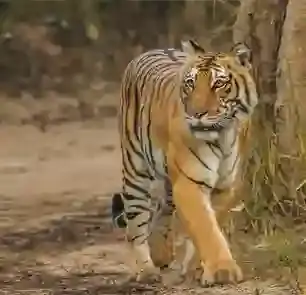
Despite being a buffer zone, Sitabani supports significant wildlife because it directly borders Jim Corbett's core habitat. Animals regularly move between the core park and Sitabani, especially at the Kosi River crossing. Wildlife sightings are most likely in the early morning (6–8 AM) and late afternoon (4–6 PM).
Tiger sightings at Sitabani are less predictable than in Dhikala or Bijrani (since you're on foot, not in a jeep), but not uncommon — especially pugmarks and scent marks are found frequently. Leopard sightings are relatively more common since leopards are more comfortable in buffer zones. Maintain distance if you encounter any big cat and never approach.
Asian elephant herds cross through Sitabani, particularly near the Kosi River. Sambar and chital are abundant and easily spotted. Wild boar, langur and rhesus macaque are common. Listen for the alarm calls of deer — a staccato bark indicates a predator nearby.
Sitabani is outstanding for birding. The forest-river edge is particularly species-rich. Look for Great Hornbill, Red Jungle Fowl, Painted Partridge, Great Barbet, Crested Serpent Eagle, Jungle Owlet, various kingfisher species at the Kosi, and dozens of warblers and flycatchers in the understorey. The monsoon months (Jul–Sep) bring in additional migratory species.
Ancient Sita Temple Inside Sitabani
One of Sitabani's most unique features is an ancient temple dedicated to Goddess Sita located inside the forest reserve. The temple is believed to mark the spot where Sita rested during her exile as described in the Valmiki Ramayana — Sitabani's name itself is derived from "Sita" and "vani" (forest/grove).
The temple is a simple, serene stone shrine in a forest clearing — the contrast between the ancient religious site and the surrounding wildlife habitat makes it a deeply memorable spot. Devotees visit the temple during Navratri and Ram Navami festivals. The forest around the temple is particularly rich in wildlife — animals are habituated to human presence near the shrine over centuries.
The walk from the reserve entrance to the Sita Temple takes about 20–30 minutes through beautiful forest — the temple visit is best combined with an early morning wildlife walk.
Best Time to Visit Sitabani Forest Reserve
Sitabani is open year-round — this is its greatest advantage over other Corbett zones:
Cool weather, dense wildlife activity. Best for tiger and elephant sightings. Ideal birding — resident species + winter migrants. Perfect forest walking conditions.
All other Corbett zones CLOSED — but Sitabani is open. Lush green forest, rivers full, birds singing. Best for birding monsoon species. Slippery paths — wear good footwear.
Very hot (35–42°C). Early morning walks only. Wildlife at waterholes in morning. Forest guides recommend sunrise visits (5:30–8 AM).
Birding is excellent all year — resident species and seasonal migrants. The Kosi River edge is best for kingfishers, wagtails and herons at any time of year.
How to Reach Sitabani Forest Reserve
Take the road towards Sitabani from Ramnagar town. Sitabani Forest Reserve entrance is clearly marked. Auto-rickshaws and taxis available from Ramnagar. Tour Venture India provides cab transfers.
Delhi → Moradabad → Ramnagar → Sitabani (10km). Combine with a Bijrani Zone morning safari for a full day. Tour Venture India offers complete Jim Corbett packages from Delhi/NCR.
Trains from Delhi to Ramnagar (Corbett Link Express, Ranikhet Express). From Ramnagar station, Sitabani is 10km — auto ₹80–100 or taxi ₹200–250 return trip with waiting.
Essential Tips for Sitabani Forest Reserve
- Always hire a local naturalist guide — Sitabani is a real wildlife area. Guides available at the entrance (₹200–400 per group). Essential for safety, especially as tiger and elephant are present.
- Start early — sunrise to 8 AM is the golden hour for wildlife sightings. Wildlife is most active at dawn. The cool morning air and light also make for the best photography conditions.
- Wear earth tones — muted clothing (khaki, olive, brown) helps you blend in. Avoid bright colours. Maintain silence while walking — noise scatters wildlife.
- Carry binoculars — birding is excellent and most birds are seen at 50–200m distance. An 8×42 or 10×42 binocular transforms the experience.
- Wear ankle-covering footwear — during monsoon, leeches are common in the leaf litter. Tuck your socks over your trousers and use insect repellent on your shoes.
- No permit needed — but register — while no entry fee is required, register your name and number at the forest guard post at the entrance. This is for your own safety and records.